
EMF and Electric Vehicles: Charging Station Safety Tips
February 10th 2026
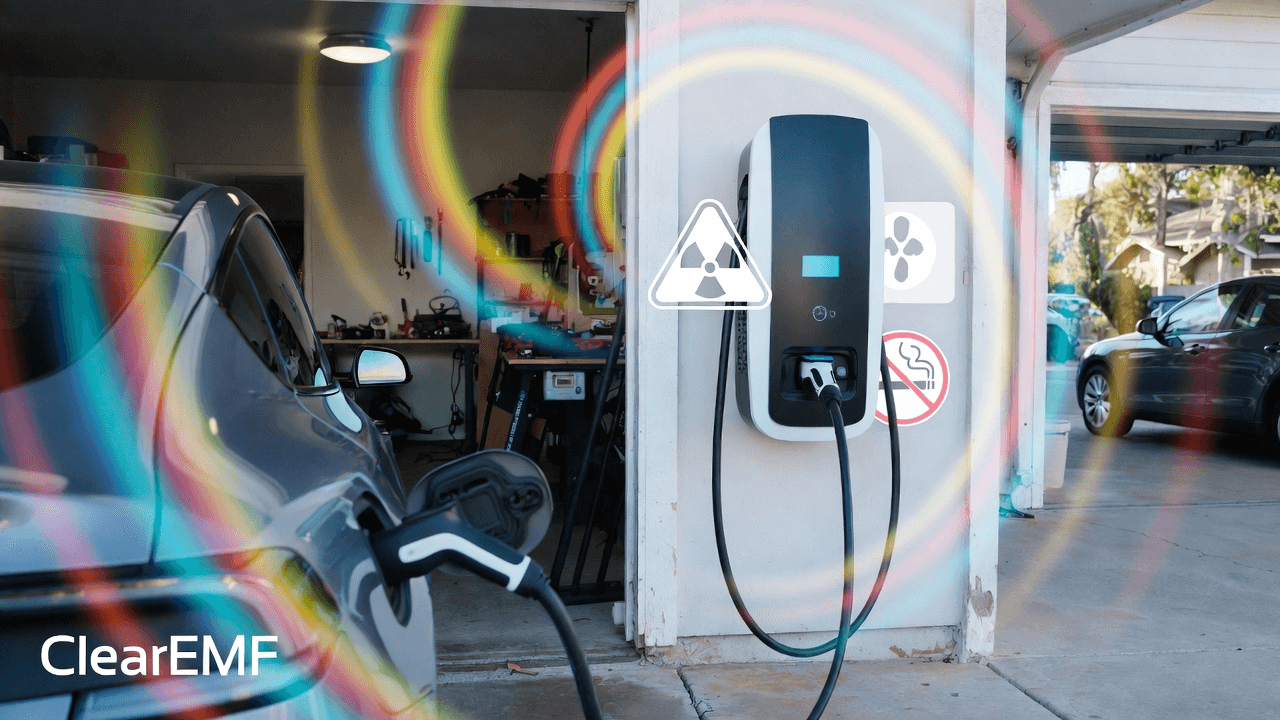
As electric vehicles (EVs) become increasingly popular for their environmental benefits and cost savings, more homes and businesses in Amherst, NY, and across the country are installing charging stations. At ClearEMF, we specialize in EMF inspections, measuring dirty electricity, magnetic fields, and microwave radiation to ensure safer living and working environments. While EVs represent a step forward in sustainable transportation, they also introduce new sources of electromagnetic fields (EMFs). In this extensive guide, we'll explore what EMF exposure looks like from EV charging stations, potential health implications, how to measure it, and practical safety tips to minimize risks. Whether you're a homeowner with a new Tesla or a business owner managing a fleet, understanding these factors can help you make informed decisions.
Understanding EMF in Electric Vehicles and Charging Stations
Electromagnetic fields (EMFs) are invisible areas of energy produced by electrically charged objects. In the context of EVs, EMFs are primarily low-frequency magnetic fields generated by the flow of electricity through batteries, motors, and charging systems. Unlike ionizing radiation (e.g., X-rays), which can damage DNA, the EMFs from EVs are non-ionizing and classified as extremely low frequency (ELF) radiation.
During charging, EMFs are produced as electricity converts from AC (alternating current) from the grid to DC (direct current) for the battery. Fast DC chargers, common in public stations, can produce higher magnetic fields due to the rapid power transfer. Home Level 2 chargers (240V) generate moderate fields, while Level 1 (120V) plugs produce the least. Studies from sources like the International Commission on Non-Ionizing Radiation Protection (ICNIRP) indicate that peak exposures near chargers are typically below safety limits, often less than 20% of recommended levels.
Inside the vehicle, EMFs arise from the high-voltage battery pack (usually under the floor) and electric motors. Acceleration creates spikes in magnetic fields, but these diminish quickly with distance. For passengers, exposures at head level are minimal, around 1-2% of ICNIRP guidelines.
Sources of EMF in EVs and Charging Setups
To effectively manage exposure, it's crucial to identify the primary EMF sources:
- Battery Pack: The lithium-ion battery is the heart of an EV, storing hundreds of volts. Magnetic fields are strongest near the floor or undercarriage.
- Charging Cable and Port: During charging, the cable carries high current, emitting magnetic fields that can extend 1-2 feet.
- Charging Station: Wall-mounted units or public pedestals house converters that produce ELF fields, especially during high-power sessions.
- Inverter and Motors: While driving, these components generate fields, but they're shielded by the vehicle's body.
- Wireless Charging Pads: Emerging tech uses magnetic resonance, creating localized fields between the pad and vehicle.
External factors, like proximity to power lines or smart meters, can compound exposures. In businesses with multiple chargers, fields may overlap, necessitating careful layout planning.
Potential Health Impacts of EMF from EV Charging
While regulatory bodies like the World Health Organization (WHO) classify ELF EMFs as "possibly carcinogenic" based on limited evidence from power line studies, EV-specific research is reassuring. A 2025 study in ScienceDirect found no immediate cardiovascular risks from EV EMFs, though long-term effects remain uncertain. Some reports link prolonged exposure to symptoms like:
- Headaches and dizziness
- Fatigue and sleep disturbances
- Oxidative stress and inflammation
- Potential developmental effects in children
- Increased risk of leukemia (though unproven at low levels)
A PubMed Central analysis of DC charging piles showed peak magnetic fields at 1.91 µT (microteslas) near the station—well below ICNIRP's 100 µT public limit. For occupants during charging, fields were negligible (0.0225 µT). However, sensitive individuals with electromagnetic hypersensitivity (EHS) may experience amplified symptoms. At ClearEMF, we've assisted clients who reported relief after optimizing their charging setups.
Measuring EMF from Your EV Charger
Knowledge is power—literally. Measuring EMF levels helps quantify risks and guide mitigation. We recommend using a reliable meter to assess magnetic fields in microteslas (µT) or milligauss (mG; 1 µT = 10 mG).
Steps for DIY Measurement:
- Choose a Meter: Opt for one that detects low-frequency magnetic fields (50-60 Hz).
- Test During Charging: Measure at various distances: 0.1m, 0.3m, and 0.6m from the charger and cable.
- Check Inside the Vehicle: Sit in different seats and note readings during charging.
- Compare to Standards: ICNIRP public limit is 100 µT; aim for under 0.4 µT for long-term exposure (Swedish standard for caution).
Recommended Product:
- TriField TF2 EMF Meter – Measures magnetic, electric, and RF fields; ideal for EV assessments.
If readings are elevated or you're unsure, professional testing ensures accuracy.
Practical Safety Tips for EV Charging Stations
Minimizing EMF exposure doesn't mean ditching your EV—simple strategies can make a big difference:
Installation and Placement
- Install chargers in garages or outdoor areas away from bedrooms, offices, or play areas.
- Use shielded cables to reduce field emissions.
- For businesses, space chargers at least 10 feet apart to avoid cumulative effects.
During Charging
- Maintain distance: Stay at least 1-2 feet from the charger and cable while in use.
- Avoid sitting in the vehicle unnecessarily during fast charging, though levels are safe.
- Charge overnight when occupants are farther away.
Shielding Solutions
For added protection, consider EMF-blocking materials:
- EMF Shielding Fabric – Place under mats or around charger areas.
- EMF Protection Clothing – Useful for mechanics or frequent users.
Lifestyle Adjustments
- Support overall health with antioxidants (e.g., vitamin C) to combat potential oxidative stress.
- Monitor symptoms and consult healthcare if concerns arise.
For wireless charging, ensure systems comply with SAE standards, which limit fields to safe levels.
When to Call in the Experts for EV EMF Concerns
DIY tips are a start, but a professional EMF inspection provides comprehensive insights. At ClearEMF, we use advanced equipment to measure magnetic fields from your EV charger, identify hotspots, and recommend custom solutions. This is especially valuable for:
- New installations in homes near sensitive areas (e.g., nurseries).
- Businesses with fleet charging to ensure employee safety and compliance.
- Individuals with EHS or pre-existing conditions.
Our services include full reports with actionable advice, helping you enjoy the benefits of EVs without unnecessary worry.
ClearEMF Can Help
We specialize in identifying and reducing electromagnetic exposure for homes and businesses across Western New York. If you're integrating EVs and want to optimize for low EMF, measure your space and focus on the strongest sources first.
📞 Call (716) 795-2536 or Contact ClearEMF to schedule a professional EMF assessment. Our office is at 656 North French Road, Suite 2C, Amherst, NY 14228.