
Dirty Electricty Filters
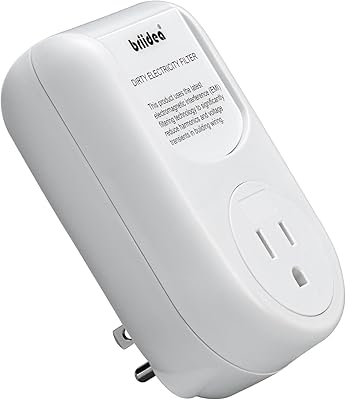
- Filters remove irritating RF pollution from household wiring
- These filters will measurably reduce the high frequency EMF pollution in your environment
- Improve power quality
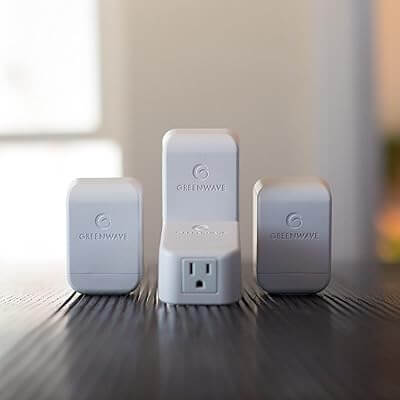
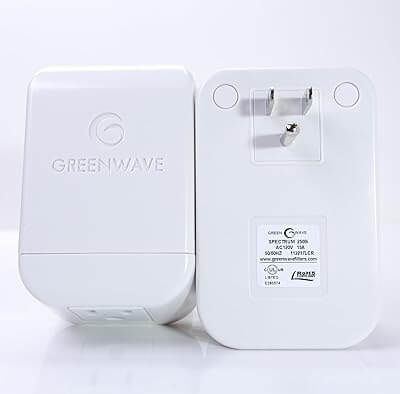
- Simple plug-in design
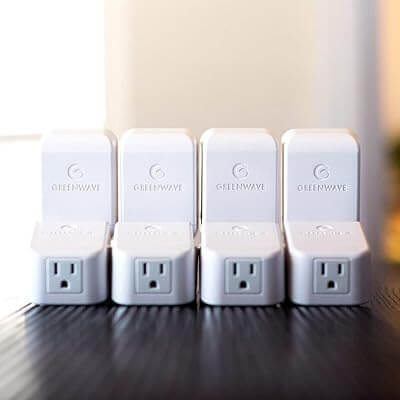
- Use one or more per circuit
- A typical home requires about 20 filters before its environment is effectively “cleaned up”. While your home may require a different number than this, we recommend purchasing 20 filters to start.
Recommended Dirty Electricity Filters on Amazon
Hand-picked options currently on Amazon. As an Amazon Associate, ClearEMF earns from qualifying purchases at no additional cost to you.
Frequently Asked Questions
What are dirty electricity filters?
Dirty electricity filters are plug-in capacitor units that reduce high-frequency electrical noise riding on your home's wiring. They smooth out that noise to improve power quality and lower high-frequency EMF in your environment.
How do I install the filters?
The filters use a simple plug-in design, so you just plug them into standard wall outlets. You can use one or more per circuit, placing them near outlets throughout the home.
How many dirty electricity filters do I need?
A typical home needs about 20 filters before its environment is effectively cleaned up, though your home may require a different number. We recommend starting with around 20 and adjusting based on measurements.
How do I know if the filters are working?
The only reliable way is to measure. A dirty electricity meter shows readings before and after installation, so you can confirm where filters help most and where to add more.
What do these filters not address?
They target high-frequency noise conducted on electrical wiring, not wireless RF from cell towers or Wi-Fi and not low-frequency magnetic fields. Those sources need different shielding or distance strategies.
Where can I get help choosing filters?
We recommend a measurement-first approach so you place filters where they matter. Call us at (716) 795-2536 or use our contact page if you have questions.